
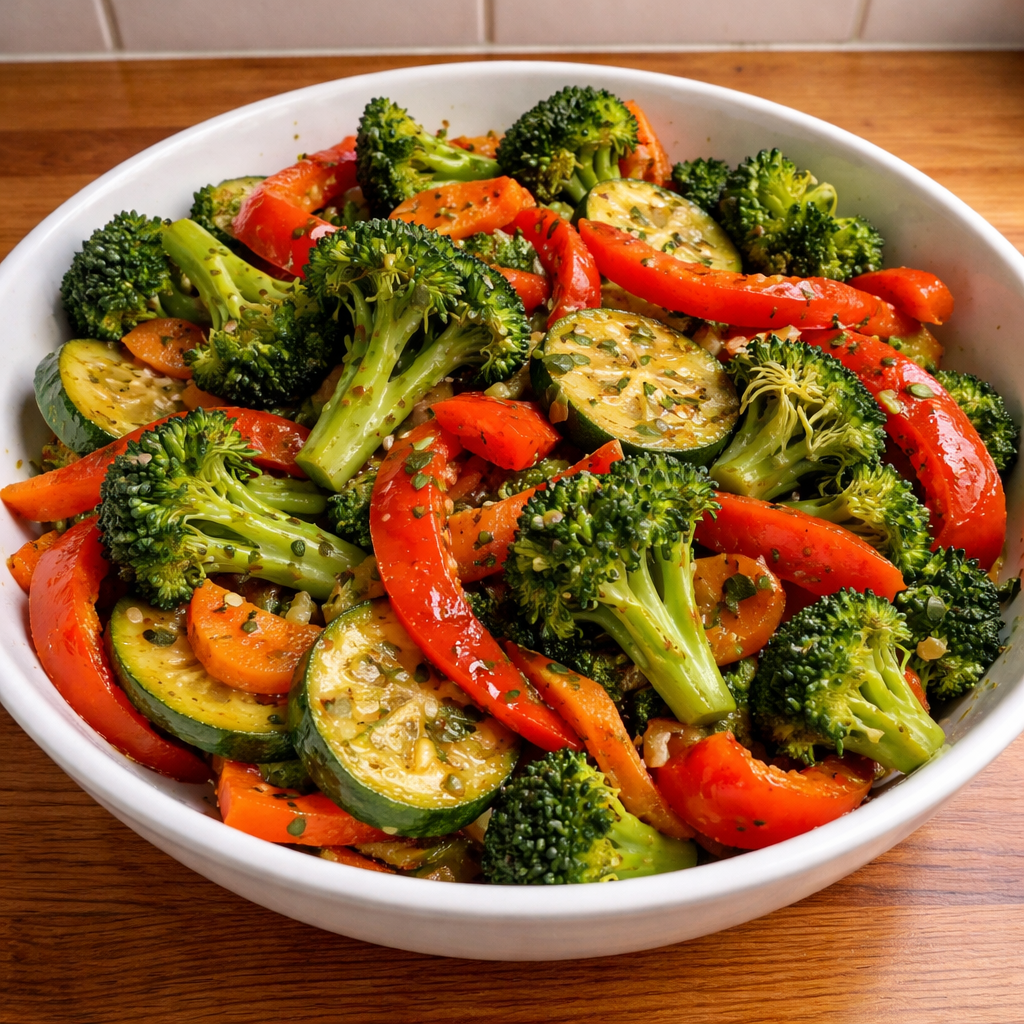
Easy Sautéed Vegetables with Garlic and Herbs: Quick Side Dish Idea
Easy Sautéed Vegetables with Garlic and Herbs: Quick Side Dish Idea
While we have provided a jump to recipe button, please note that if you scroll straight to the recipe card, you may miss helpful details about ingredients, step-by-step tips, answers to common questions and a lot more informations that can help your recipe turn out even better.
The other night I opened the fridge at 6:15, that witching hour when everyone is both starving and somehow too tired to decide what to eat. There were a few broccoli florets from earlier in the week, half a red bell pepper, a lonely zucchini, and three baby carrots that had rolled to the back of the drawer. Not exactly a plan. But I also knew there was a skillet that heats evenly and a jar of dried oregano that has seen me through worse.
Sautéed vegetables are what I make when dinner needs to be simple and steady. No big declarations, just a warm, colorful pan that goes next to whatever else you have. Chicken, fish, beans, pasta, leftover rice, a fried egg. It all works.
There is something comforting about hearing that first quiet sizzle, seeing the edges of the vegetables gloss over, and watching the colors brighten. It feels like proof that dinner is, in fact, coming together, even if the rest of the day has been scattered.
This is one of those recipes that is barely a recipe, but having it written down makes it easier to hand off, or call out from the couch, "The vegetables go in after the garlic, remember!"
Why sautéed vegetables work so well every time
What I love about a simple pan of sautéed vegetables is that it fills in the gaps. It turns a random assortment of ingredients into a meal that looks thought out, even if you threw it together during the last commercial break of a kids’ show.
A few reasons this one earns its keep:
- It uses any mix of vegetables, fresh or close to the finish line.
- It cooks in under 10 minutes.
- It works in small or big batches, as long as you do not overload the pan too much.
- Leftovers slide neatly into tomorrow’s lunch, tucked next to some grains or wrapped in a tortilla.
It is also a good "teaching" recipe, for kids or partners or roommates who want to help. There are clear steps, but also room for "I like it with more pepper" or "let’s add some frozen peas." That kind of kitchen flexibility is worth practicing.
Choosing and prepping your vegetables
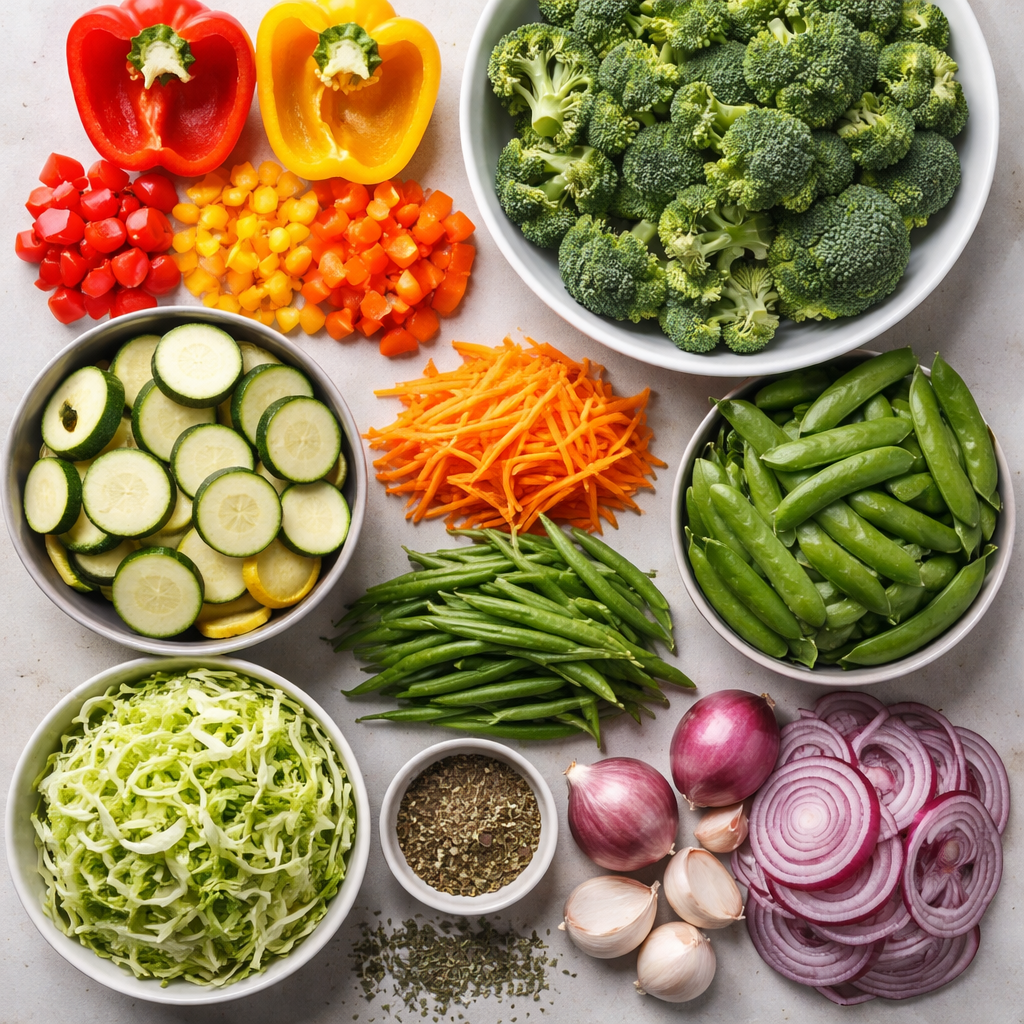
The recipe calls for 2 cups mixed vegetables, which can sound vague, but it is really just permission to use what you have.
Good options include:
- Bell peppers, any color, sliced into strips
- Broccoli florets, cut small enough that they cook quickly
- Zucchini or yellow squash, halved lengthwise then sliced
- Carrots, sliced thin so they soften in time
- Snap peas, green beans, or thinly sliced cabbage
- Red onion or shallot in place of some of the bell pepper
Try to keep the pieces roughly similar in size, so they cook at about the same pace. If you have a mix of sturdier vegetables (like carrots and broccoli) and quick-cooking ones (like zucchini and peppers), you can either:
- Slice the sturdy ones thinner, or
- Start the sturdy ones a minute earlier, then add the rest
Nothing terrible happens if the timing is not perfect. You might have a carrot with more bite than the zucchini. That is dinner, not a disaster.
Ingredients for Sautéed Vegetables
- 2 cups mixed vegetables (such as bell peppers, broccoli, zucchini, and carrots)
- 2 tablespoons olive oil
- 2 cloves garlic, minced
- Salt and pepper to taste
- 1 teaspoon dried herbs (such as thyme or oregano)
- 1 tablespoon lemon juice (optional)
Step by step: from skillet to table
-
- Heat olive oil in a large skillet over medium heat.
-
- Add minced garlic and sauté for about 30 seconds until fragrant.
-
- Add mixed vegetables to the skillet.
-
- Season with salt, pepper, and dried herbs.
-
- Sauté the vegetables for 5-7 minutes, stirring occasionally, until they are tender but still crisp.
-
- Remove from heat and add lemon juice if desired.
-
- Serve warm as a side dish.
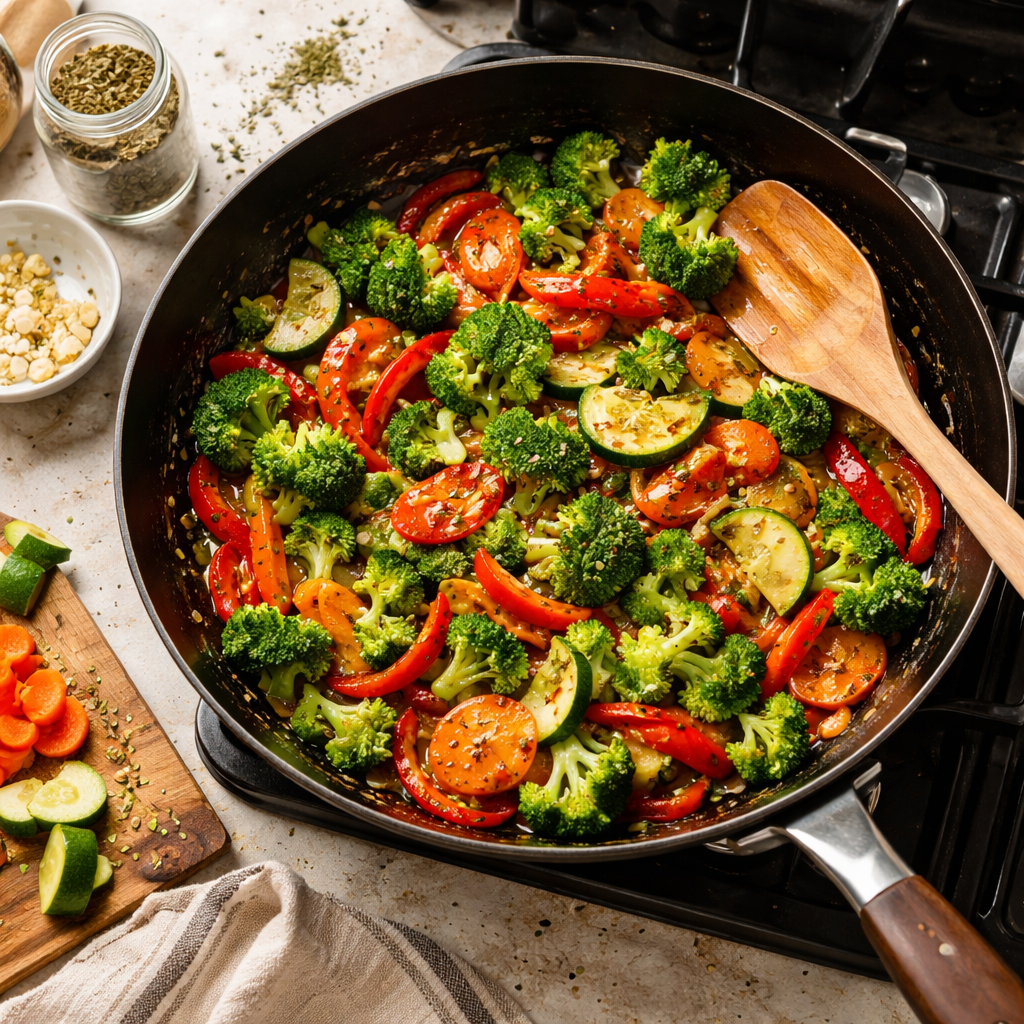
What to watch for while everything sizzles
There are a few small details that make these vegetables taste like more than the sum of their parts.
-
Heat level: Medium heat is your friend. Too low and the vegetables steam and go limp. Too high and the garlic burns before the vegetables even start to soften. If the garlic starts to brown quickly, slide the pan off the heat for a moment, add the vegetables, and return it to the burner.
-
The sound: You want a gentle, steady sizzle, not angry spattering. If the pan goes quiet, the heat is too low. If the oil is popping wildly, turn it down.
-
Texture: After about 5 minutes, poke a piece of carrot or broccoli with the tip of a knife. You are aiming for tender with a bit of resistance. The zucchini and peppers will look glossy and brighter in color, not shriveled.
-
Herbs and seasoning: Dried thyme or oregano wake up nicely in the warm oil and vegetable juices. If you only have Italian seasoning, that works. If you have none of the above, salt, pepper, and the garlic will still carry the flavor.
That squeeze of lemon at the end seems optional, but it does something quiet and important. It loosens anything that is stuck to the bottom of the pan and brightens the whole skillet. If you are out of lemons, a splash of vinegar can step in, or you can skip it entirely and just serve them as is.
Making it ahead, and living with leftovers
These vegetables are at their best right after cooking, when the peppers still have a little snap and the broccoli has that almost sweet edge from the heat. That said, real life does not always line up with ideal timing.
A few options:
-
Partial prep:
Chop your vegetables in the morning or during a quiet pocket of the day. Store them in an airtight container in the fridge. At dinnertime, you are just heating the oil, adding garlic, and sautéing. It turns the whole thing into a 10 minute side. -
Cooking ahead:
You can sauté the vegetables earlier in the day, then rewarm them in a skillet over low heat with a drizzle of extra olive oil. Stir occasionally just until heated through. The texture softens, but the flavor stays good. -
Leftovers:
Leftover sautéed vegetables keep well in the fridge for up to 3 days. Here is how they quietly make themselves useful:- Folded into an omelet or scrambled eggs.
- Stirred into cooked rice or quinoa with a spoonful of hummus or yogurt.
- Tucked into a quesadilla with cheese.
- Layered on toast with a fried or poached egg.
If you are packing lunch, spoon them over some couscous or leftover pasta in a container. They give the next day a little head start.
Simple swaps and small additions
This is the sort of recipe that forgives substitutions and even encourages them.
-
Oil: Olive oil brings nice flavor, but any neutral oil you have is fine. If you only have a little olive oil left, use part olive oil and part another oil.
-
Garlic: Fresh is lovely, but 1/4 teaspoon garlic powder or a spoonful of jarred minced garlic will do. If using garlic powder, add it with the herbs instead of at the beginning.
-
Herbs: Thyme and oregano are tried and true. Basil, Italian seasoning, or a mix of thyme and rosemary also work. If all you have is dried parsley, use it, and lean on salt, pepper, and lemon.
-
Add a little richness: A small pat of butter swirled in at the end, after you turn off the heat, gives the vegetables a softer, rounder flavor. A spoonful of grated Parmesan on top is also nice, if that fits your table.
-
Boost the protein: Toss in a drained can of chickpeas for the last few minutes of cooking, or stir in some cooked chicken or tofu. Suddenly it is less of a side and more of a full bowl.
You are not trying to follow rules here so much as keep the spirit of the dish: vegetables, a little fat, some aromatics, heat, and enough seasoning to make you want a second bite.
Questions from real dinner tables
Yes. Use frozen mixed vegetables straight from the freezer. Pat them dry a bit if they look icy, then add them to the hot oil after the garlic. They will release more moisture, so cook on medium high and give them an extra couple of minutes until the liquid mostly cooks off and they look shiny instead of wet.
The pan was likely too crowded or the heat was too low. Next time, cook in two batches or use a wider skillet, and aim for a steady sizzle. Even slightly soft vegetables are still useful, though, especially in eggs, grain bowls, or tucked into a casserole.
Cut the vegetables smaller, and lean into the ones your kids already tolerate, like carrots or bell peppers. A sprinkle of cheese on top right after cooking can help, too. One of my kids will eat almost anything if there is a little melted cheese involved.
You can, but it is better to cook in two rounds so the vegetables sauté instead of steam. Transfer the first batch to a bowl, cook the second, then toss them together with the lemon juice at the end.
Of course. You can add a little extra dried herb, or some thinly sliced onion at the beginning instead. The point is flavor, not any one specific ingredient.
Turn off the heat first, then add the lemon juice and stir. You will hear a soft hiss and see the browned bits on the bottom loosen. If you add it earlier, it can dull the color and slow the cooking.
Serving ideas and small variations
On a regular weeknight, I usually serve these vegetables next to something simple I already have going: baked chicken thighs, a pot of lentils, or just buttered noodles. A plate with three or four colors on it feels like taking care, even if everything on that plate was easy.
A few other ways to use them:
- Spoon over polenta or mashed potatoes.
- Toss with cooked pasta, a bit more olive oil, and some grated cheese.
- Pile on top of warm naan or flatbread with a dollop of yogurt.
- Serve at room temperature on a potluck table, they hold up well.
You can also play gently with flavor:
- Add a pinch of red pepper flakes with the dried herbs for a little warmth.
- Finish with a drizzle of good olive oil or a spoonful of pesto instead of lemon.
- Stir in a handful of chopped fresh herbs, like parsley or basil, right before serving if they are around.
Passing it along
If I were writing this on an index card for you, I would probably jot, "Use whatever vegetables you have, do not overthink it" in the corner. Because that is the heart of it.
This is not a showpiece recipe. It is the sort of thing that quietly makes dinners feel more complete, uses up the last of the produce, and slips happily into tomorrow’s lunchbox.
Keep this one nearby. Tape it inside a cupboard door, tuck it in with the spices, or save it on your phone under "easy vegetables." Then the next time you open the fridge at 6:15 and see a few stragglers in the crisper drawer, you will know exactly what to do with them.
Sautéed Vegetables
Ingredients
Mixed Vegetables
- 2 cups mixed vegetables (such as bell peppers, broccoli, zucchini, and carrots) Use any combination of vegetables you have on hand.
Sautéing Ingredients
- 2 tablespoons olive oil Can substitute with any neutral oil.
- 2 cloves garlic, minced Fresh is preferred but can use garlic powder.
- to taste Salt Adjust according to preference.
- to taste Pepper Adjust according to preference.
- 1 teaspoon dried herbs (such as thyme or oregano) Can use Italian seasoning, if available.
- 1 tablespoon lemon juice (optional) Adds brightness to the dish; can substitute with vinegar.
Instructions
Preparation
- Heat olive oil in a large skillet over medium heat.
- Add minced garlic and sauté for about 30 seconds until fragrant.
- Add mixed vegetables to the skillet.
- Season with salt, pepper, and dried herbs.
- Sauté the vegetables for 5-7 minutes, stirring occasionally, until they are tender but still crisp.
- Remove from heat and add lemon juice if desired.
- Serve warm as a side dish.
Notes

From My Kitchen to Your Inbox
Simple, reliable recipes, thoughtful cooking tips, and a little Sunday-supper inspiration, delivered straight to you. No noise, just good food and the stories that make it meaningful.

Comments closed